With 2 clinics located in Central London and 2 in North-West London, Dr Arun Rajendran takes pride in offering expert, friendly, and effective care for a comprehensive range of conditions affecting the gullet, stomach, colon, and liver.
+44 (0)20 3404 5254
mailgastro@pm.me
London clinic and Onewelbeck
BMI The Clementine Churchill Hospital
OSD Healthcare

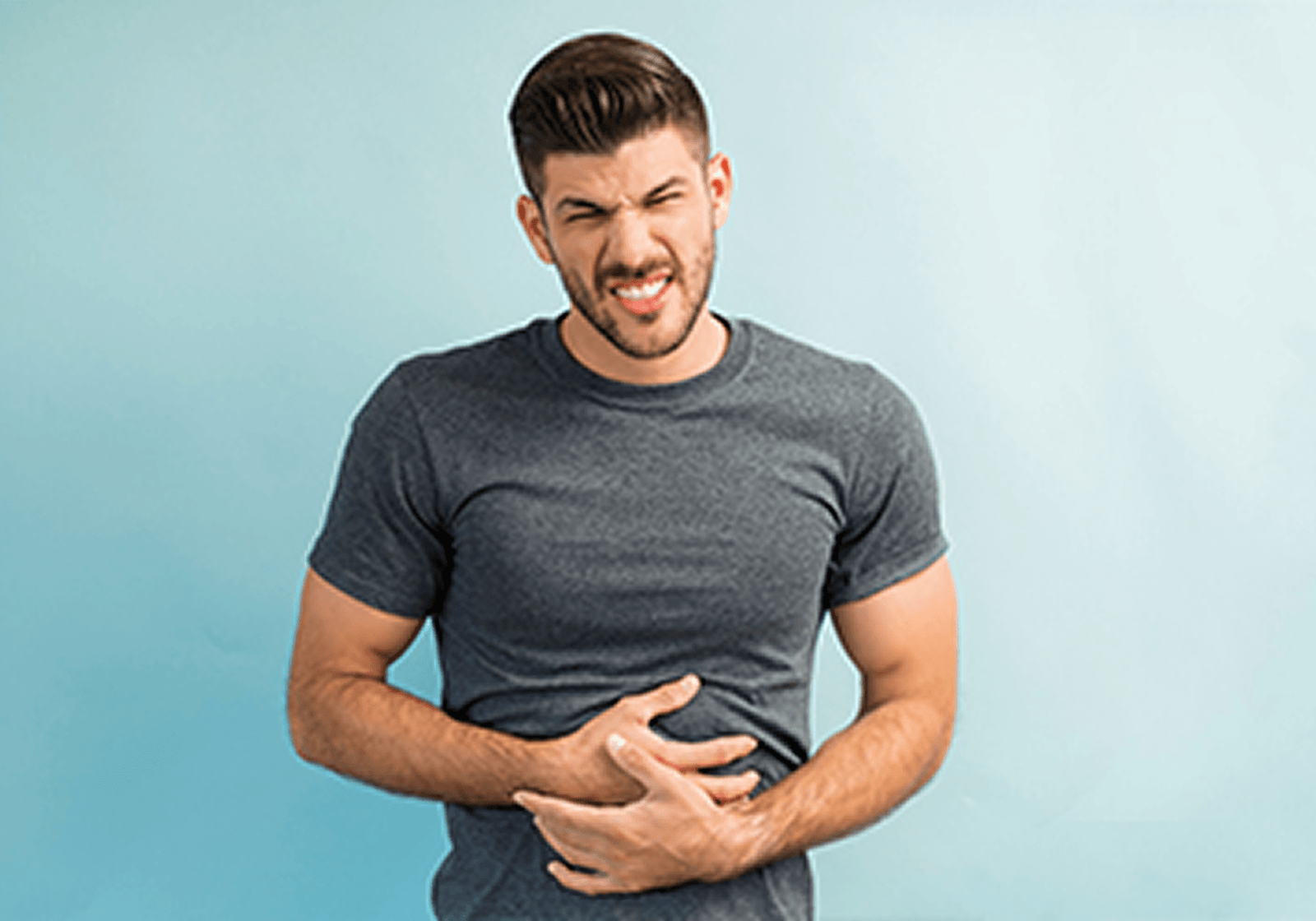
Gastroparesis, also known as stomach paralysis, is a condition that affects the stomach’s ability to empty food properly. This is usually caused by damage to the nerves (vagus) or the internal muscles of the stomach. Gastroparesis causes a delay in gastric emptying, leading to symptoms like nausea, bloating, and abdominal discomfort.
Causes and Types
What Causes Gastroparesis?
There are several factors that contribute to the development of gastroparesis, including:
Diabetes is a common cause which is due to the damage to neurons (neuropathy).
Diseases that cause gastroparesis, such as Ehlers-Danlos syndrome (EDS), myasthenia gravis, or post-surgical complications.
Idiopathic gastroparesis, where the cause is unknown.
Symptoms of Gastroparesis
Signs of Gastroparesis
Delayed stomach emptying, causing bloating, nausea, and vomiting.
Bloating and abdominal pain after meals.
Feeling of fullness even after consuming small meals.
Management Strategies for Gastroparesis
Effective management of gastroparesis involves a combination of dietary changes, medications, and, in some cases, surgical interventions.
Medical Management
Prokinetic Agents: Medications like Metoclopramide and Domperidone enhance gastric motility.
Antiemetics: Use medications such as ondansetron to manage nausea.
Erythromycin: Sometimes used off-label to stimulate gastric emptying.
Nutritional Support
Jejunostomy Tube Feeding: For severe cases, nutrition may be delivered directly into the small intestine.
Parenteral Nutrition: Considered when oral intake is not possible.
Surgical Options
Gastric Electrical Stimulation: An implantable device that improves gastric motility.
Venting Gastrostomy: A procedure to relieve stomach pressure.
G-POEM (Gastric- Peroral Endoscopic Myotomy): A procedure involves endoscopic dissection of the gastric muscle to relieve pyloric obstruction, which can improve gastric emptying. represents a promising option for managing gastroparesis, particularly for those who have not found relief through traditional treatments
Psychological Support
Counselling may help patients cope with the emotional aspects of living with gastroparesis.
Small, Frequent Meals: Patients are often advised to consume smaller, more frequent meals to ease the burden on the stomach.
Low-Fibre Diet: Reducing dietary fibre can help as high-fibre foods may slow gastric emptying.
Liquid Diets: In cases of severe symptoms, a liquid diet or pureed foods may be recommended to facilitate easier digestion.
Best Foods for Gastroparesis
Eating small, well-cooked, easy-to-digest meals is essential for managing gastroparesis. Recommended foods include:
Low-fat, soft proteins like chicken or fish.
Foods that aid gastric emptying, such as eggs, yogurt, and cooked vegetables.
Why Choose Us for Gastroparesis Treatment in London?
Expert Care for Gastroparesis in London
At our clinic in London, we provide comprehensive gastroparesis treatment tailored to each patient’s needs. Our team of specialists is dedicated to offering the most effective therapies, from dietary recommendations to advanced treatments like vagus nerve stimulation.