With 2 clinics located in Central London and 2 in North-West London, Dr Arun Rajendran takes pride in offering expert, friendly, and effective care for a comprehensive range of conditions affecting the gullet, stomach, colon, and liver.
+44 (0)20 3404 5254
mailgastro@pm.me
London clinic and Onewelbeck
BMI The Clementine Churchill Hospital
OSD Healthcare
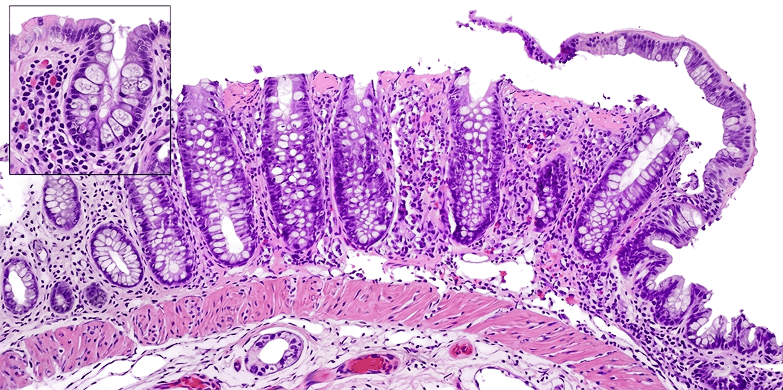
Collagenous colitis is a subtype of microscopic colitis, a chronic inflammatory bowel condition affecting the colon. It is characterised by the thickening of the collagen layer in the intestinal lining, leading to symptoms such as:
Persistent, watery diarrhoea
Abdominal pain and
Fatigue and dehydration
Unlike other forms of colitis, collagenous colitis does not cause visible damage to the colon, making diagnosis dependent on biopsy results. If left untreated, it can lead to complications such as malabsorption and nutrient deficiencies, highlighting the importance of timely collagenous colitis treatment.
Symptoms of Collagenous Colitis
Symptoms of collagenous colitis often overlap with other types of microscopic colitis and may include:
Chronic watery diarrhoea
Abdominal discomfort or pain
Weight loss and fatigue
Bloating and cramping
If you experience these symptoms, seeking early diagnosis and microscopic colitis treatment can help manage the condition effectively.
Causes and Triggers
Common Causes and Risk Factors
The exact cause of collagenous colitisremains unclear, but factors include:
Autoimmune responses
Certain medications, such as NSAIDs (such as ibuprofen) and proton pump inhibitors (such as omeprazole, lansoprazole)
Genetic predisposition
Bacterial infections
Triggers such as stress, diet, and underlying conditions like Crohn’s disease can also exacerbate symptoms, leading to a collagenous colitis flare-up.
Modern options for collagenous colitis treatment focus on reducing inflammation, managing symptoms, and preventing recurrence. While not life-threatening, it can significantly impact daily life. Below are the key treatment options available in the UK.:
Budesonide – The only approved treatment, a mild steroid with minimal side effects. 9 mg/day for 6–8 weeks, then 3–6 mg/day for maintenance.
Refractory Cases – If budesonide fails, thiopurines (immune modulators) or biologics (for severe cases) may be used.
Symptomatic Relief – Loperamide helps control diarrhoea, while cholestyramine binds bile acids to reduce symptoms.
Alternative Options – Probiotics may help, though their effectiveness remains uncertain.
Our clinics provide personalised care based on the latest microscopic colitis treatment guidelines, ensuring the best outcomes for patients.
Dietary and Lifestyle Tips
A proper diet is essential for managing collagenous colitis symptoms:
Dietary Tips:
Avoid triggers such as gluten, lactose, and processed foods.
Include anti-inflammatory foods like fish, turmeric, and leafy greens.
Use supplements like collagen for colitis to support gut health.
Eliminating caffeine and lactose.
Lifestyle Tips:
Reduce stress through practices like yoga and meditation.
Stay hydrated to counter diarrhoea-induced dehydration.
Maintain a balanced diet with adequate protein and fibre intake.
Following a low fat diet
These changes, combined with medical advice, can improve quality of life and reduce the impact of collagenous colitis symptoms.
Comprehensive Collagenous Colitis Care in London
Why Choose Us?
Don’t let collagenous colitis disrupt your life. Our clinics specialise in managing conditions like microscopic lymphocytic colitis, collagenous enteritis, and other related disorders.
With access to advanced treatments, dietary support, and the latest collagenous colitis guidelines, we offer personalised care for lasting relief.