With 2 clinics located in Central London and 2 in North-West London, Dr Arun Rajendran takes pride in offering expert, friendly, and effective care for a comprehensive range of conditions affecting the gullet, stomach, colon, and liver.
+44 (0)20 3404 5254
mailgastro@pm.me
London clinic and Onewelbeck
BMI The Clementine Churchill Hospital
OSD Healthcare

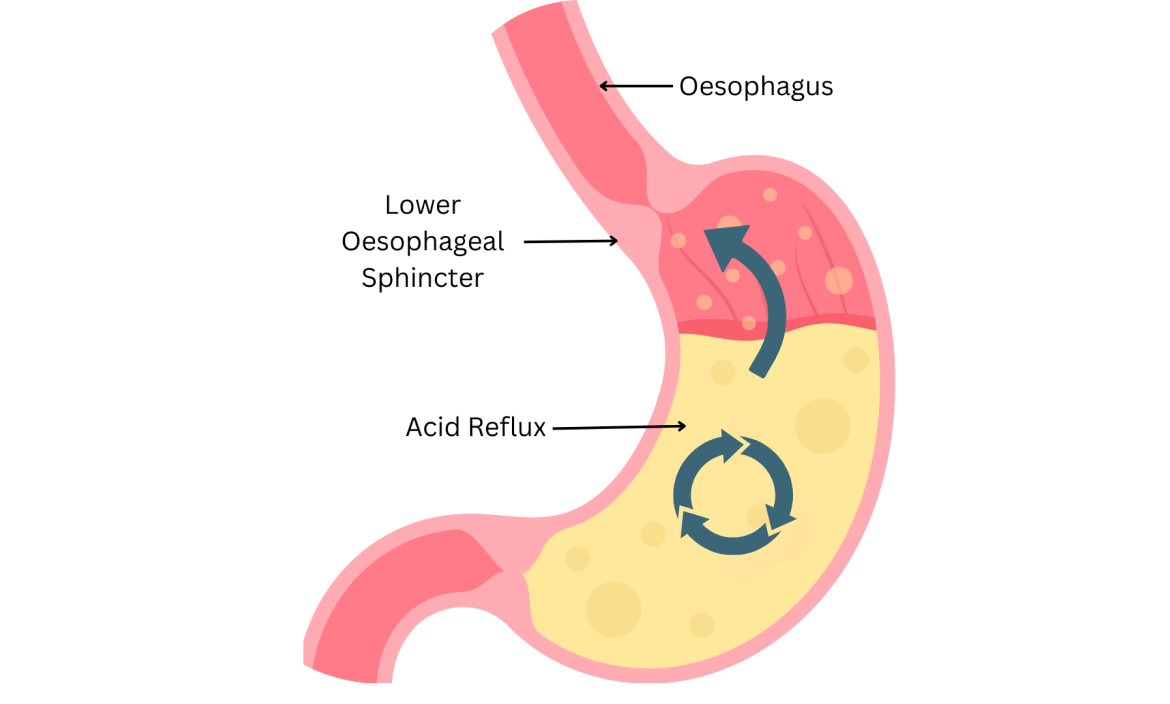
Barrett’s oesophagus occurs when the cells lining the oesophagus undergo abnormal changes, often due to chronic acid reflux (GORD). This condition is a known risk factor for oesophageal cancer, though the likelihood of cancer developing remainsrelatively low. However, untreated acid reflux can lead to the advancement of Barrett’s oesophagus, potentially increasing the risk of cancer. Early diagnosis and treatment can effectively manage the condition.
Causes Of Barrett’s Oesophagus
What are the Factors leading to Barrett's Oesophagus?
The primary cause of Barrett’s oesophagus is chronic acid reflux or gastroesophageal reflux disease (GORD). Prolonged exposure to stomach acid weakens the oesophagus lining, which can lead to cellular changes.
Risk Factors Include:
Long-standing heartburn or acid reflux
Obesity, particularly abdominal obesity
Smoking
Being male and over the age of 50
Family history of Barrett’s oesophagus or oesophageal cancer
Understanding and addressing these risk factors is key in preventing Barrett’s oesophagus from advancing to more severe stages, such as oesophageal cancer.
Symptoms of Barrett’s Oesophagus
Recognising the symptoms of Barrett’s Oesophagus
Barrett’s oesophagus is often asymptomatic, meaning many people may not experience any noticeable symptoms. However, when symptoms do occur, they are usually related to GORD. Common symptoms include:
Persistent heartburn or acid reflux
Difficulty swallowing (dysphagia)
Chest pain or discomfort that is often mistaken for heart-related issues
Regurgitation of sour liquids or undigested food
Diagnosis
How is Barrett’s Oesophagus Identified?
The most effective way to diagnose Barrett’s oesophagus is through endoscopy, where a flexible tube with a camera is used to examine the oesophagus for any abnormalities. A biopsy can also be performed to check for precancerous cells, which is crucial for early detection.
Regular Monitoring
Once diagnosed, regular endoscopic surveillance is essential for monitoring changes in the oesophagus. This allows early detection of any progression towards cancer, improving the chances of successful treatment.
Effective Treatment Options for Barrett's Oesophagus
Radio Frequency Ablation (RFA)
The treatment of Barrett’s oesophagus aims to manage symptoms, prevent the progression of the condition, and reduce the risk of cancer. Some key treatment options include:
Risk Factors Include:
Lifestyle Modifications: Avoiding trigger foods, eating smaller, more frequent meals, and raising your head during sleep to prevent acid reflux.
Medications: Proton pump inhibitors (PPIs), antacids, and H2 blockers can help reduce stomach acid production, providing symptom relief.
Endoscopic Treatments: For severe cases, endoscopic therapies such as radiofrequency ablation (RFA) or endoscopic mucosal resection (EMR) may be recommended to remove abnormal tissue.
Surgery: In advanced cases, surgery such as oesophagectomy may be required to remove affected parts of the oesophagus.
Dr. Arun Rajendran provides tailored care to manage Barrett’s oesophagus effectively and prevent complications.
Prevention and Lifestyle Adjustments
While Barrett’s oesophagus cannot always be prevented, certain lifestyle changes can significantly reduce the risk of developing this condition or its complications:
The treatment of Barrett’s oesophagus aims to manage symptoms, prevent the progression of the condition, and reduce the risk of cancer. Some key treatment options include:
Risk Factors Include:
Maintain a Healthy Weight: Obesity, particularly abdominal obesity, is a major risk factor for Barrett’s oesophagus.
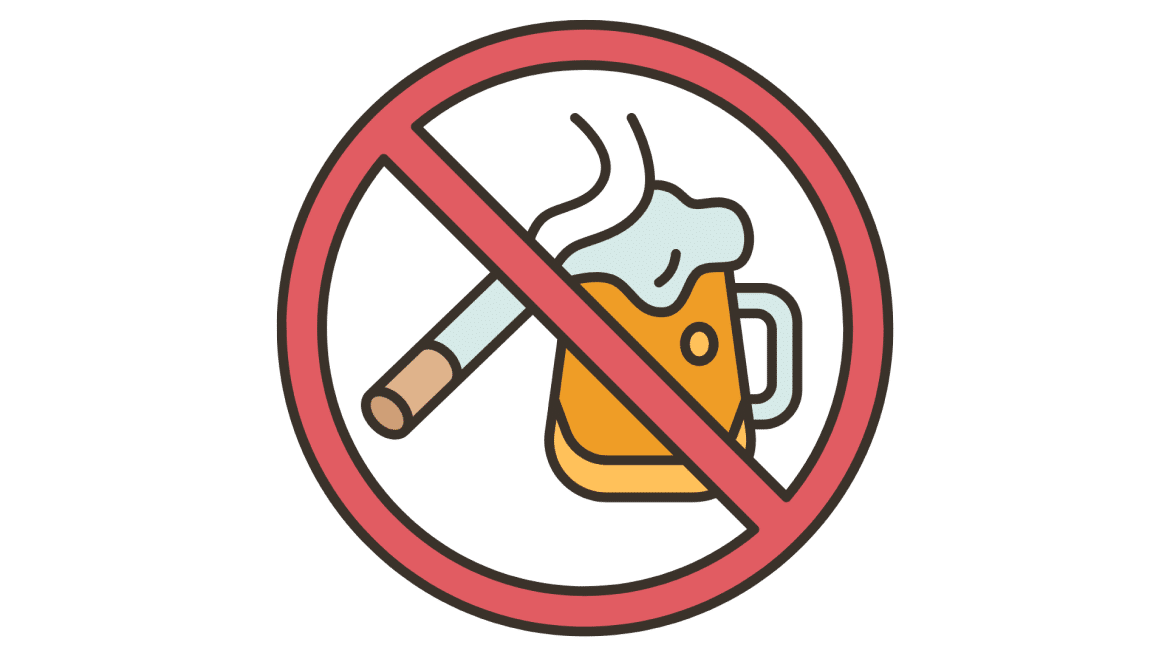
Quit Smoking: Smoking accelerates the damage caused by acid reflux and increases the risk of oesophageal cancer.
Limit Alcohol Intake: Excessive alcohol consumption can irritate the oesophagus and exacerbate acid reflux symptoms.
Manage GORD Effectively: Follow a proper diet, use prescribed medications, and avoid foods that trigger acid reflux.
Dr. Arun Rajendran provides tailored care to manage Barrett’s oesophagus effectively and prevent complications.
Comprehensive Care for Barrett’s Oesophagus
At our clinics in Central and North West London, we offer comprehensive care for Barrett’s oesophagus, from accurate diagnosis to personalised treatment plans. Dr. Arun Rajendran and his expert team are committed to providing the latest medical interventions and compassionate care for managing and preventing the progression of Barrett’s oesophagus.