With 2 clinics located in Central London and 2 in North-West London, Dr Arun Rajendran takes pride in offering expert, friendly, and effective care for a comprehensive range of conditions affecting the gullet, stomach, colon, and liver.
+44 (0)20 3404 5254
mailgastro@pm.me
London clinic and Onewelbeck
BMI The Clementine Churchill Hospital
OSD Healthcare
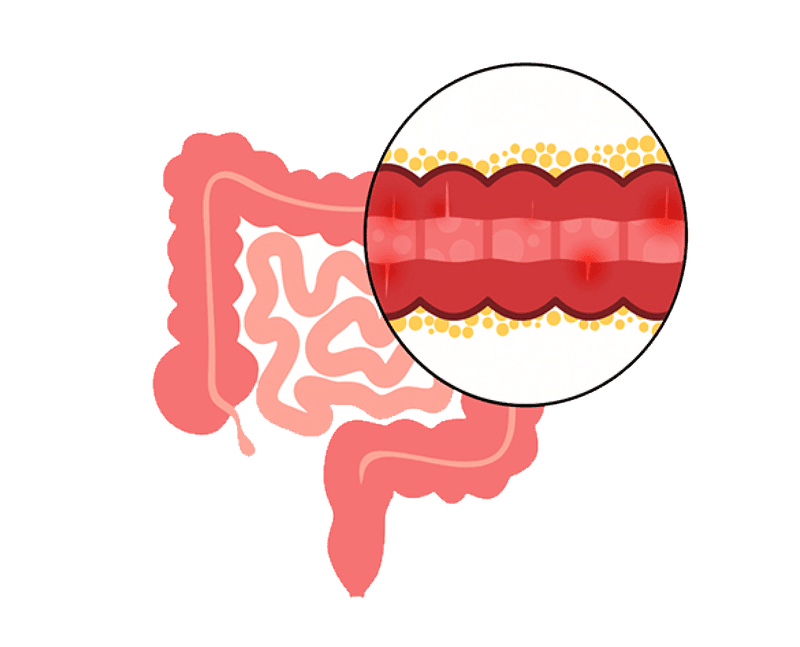
Crohn’s disease is a chronic inflammatory bowel disease (IBD) that causes persistent inflammation in various parts of the digestive tract. It is believed to result from a combination of genetic predisposition, an abnormal immune response, and environmental triggers like diet, including potential sensitivities to components like gluten.
This condition often develops in young adults and can disrupt daily life with complications such as bowel strictures, fistulas, and nutrient deficiencies. Early diagnosis and a tailored treatment plan are crucial to preventing long-term damage and improving quality of life.
Common symptoms include diarrhoea, abdominal pain, fatigue, and weight loss, though severity varies greatly between individuals. With the right care, this lifelong condition can be effectively managed, enabling patients to lead healthier lives.
Types of Crohn’s Disease
Crohn’s disease affects different parts of the digestive system and is classified based on its location:
Ileocolitis: The most common type, affecting the ileum and colon, causing diarrhoea, weight loss, and cramping.
Ileitis: Inflammation confined to the ileum, often leading to abdominal pain and nutritional deficiencies.
Gastroduodenal Crohn’s Disease: Inflammation in the stomach and duodenum, which may cause nausea and vomiting.
Jejunoileitis: Patchy inflammation in the upper small intestine, causing cramps after meals.
Crohn’s Colitis: Affects only the colon, often leading to bloody stools and abdominal pain.
Tailored treatment plans based on the type of Crohn’s disease help achieve optimal results for patients.
Recognising the Symptoms
Recognising the symptoms of Crohn’s disease early is essential for effective management. Symptoms often vary depending on the location and severity of the inflammation but commonly include:
symptoms
Persistent diarrhoea that may come on suddenly
Abdominal pain, particularly in the lower-right tummy
Blood or mucus in stools
Fatigue and low energy levels
Unexplained weight loss
Other symptoms may include
High temperature or fever
Mouth ulcers
Joint pain or stiffness
Patches of red, swollen skin
Children may also experience delayed growth or puberty. Since Crohn’s symptoms can overlap with other digestive conditions, seeking medical advice for persistent or severe symptoms is vital. Early intervention prevents complications and improves long-term outcomes.