With 2 clinics located in Central London and 2 in North-West London, Dr Arun Rajendran takes pride in offering expert, friendly, and effective care for a comprehensive range of conditions affecting the gullet, stomach, colon, and liver.
+44 (0)20 3404 5254
mailgastro@pm.me
London clinic and Onewelbeck
BMI The Clementine Churchill Hospital
OSD Healthcare

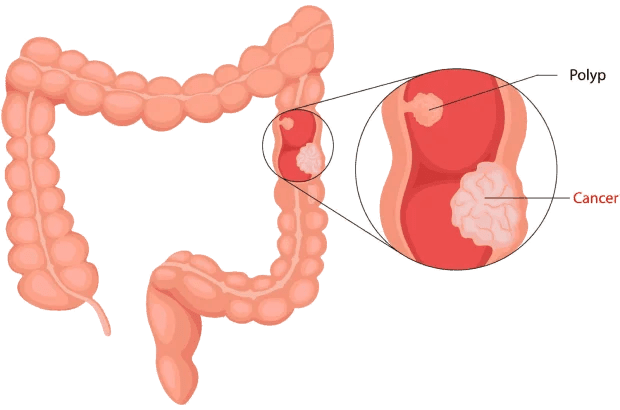
Bowel cancer, also known as colorectal cancer, develops in the large bowel, which includes the colon and rectum. It is one of the most common types of cancer in the UK and often begins as non-cancerous polyps that can develop into cancer over time. Early detection significantly improves treatment outcomes.
Causes and Risk Factors of Bowel Cancer
Genetics, age, lifestyle, and chronic conditions
Common Causes
Genetic predisposition
A family history of bowel cancer increases the likelihood of developing the condition.
Age
The majority of cases are diagnosed in individuals aged 50 and over.
Lifestyle factors
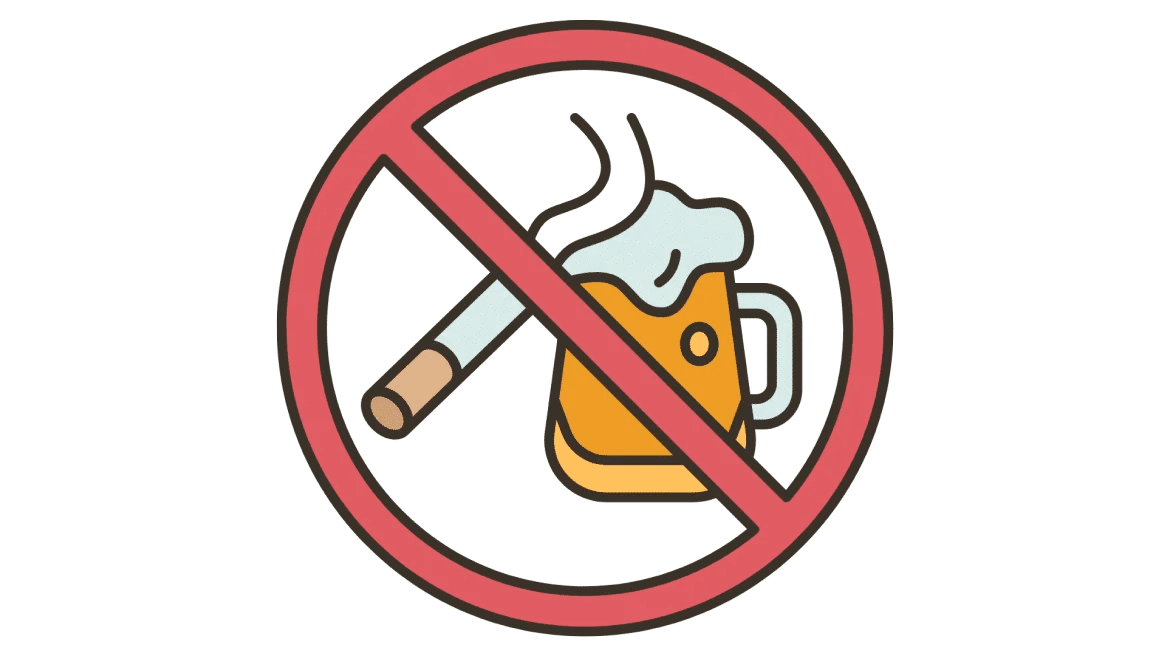
A lack of physical activity, an unhealthy diet, smoking, and excessive alcohol consumption can all contribute.
Chronic conditions
Long-term inflammatory bowel diseases, such as Crohn's disease or ulcerative colitis, elevate the risk.
Dietary habits
Consuming a diet rich in red or processed meats.
Obesity
Being overweight or obese is a significant risk factor.
Sedentary lifestyle
Prolonged inactivity increases vulnerability.
Smoking and alcohol
Long-term smoking and high alcohol intake are known contributors.
Symptoms of Bowel Cancer
Stay alert to early warning signs for better outcomes
Common Warning Signs
Changes in bowel habits, such as persistent diarrhoea or constipation
Blood in the stools, often dark or red
Unexplained weight loss
Persistent abdominal discomfort or bloating
Fatigue or weakness
If you notice changes in bowel habits, blood in stools, severe pain, or unexplained weight loss lasting more than a few weeks, see your doctor promptly. Early action aids timely diagnosis and treatment.
Diagnosis and Staging
Essential diagnostic and staging methods for accurate cancer detection and tailored treatment.
Diagnostic Methods
Stool tests: Checking for hidden blood.
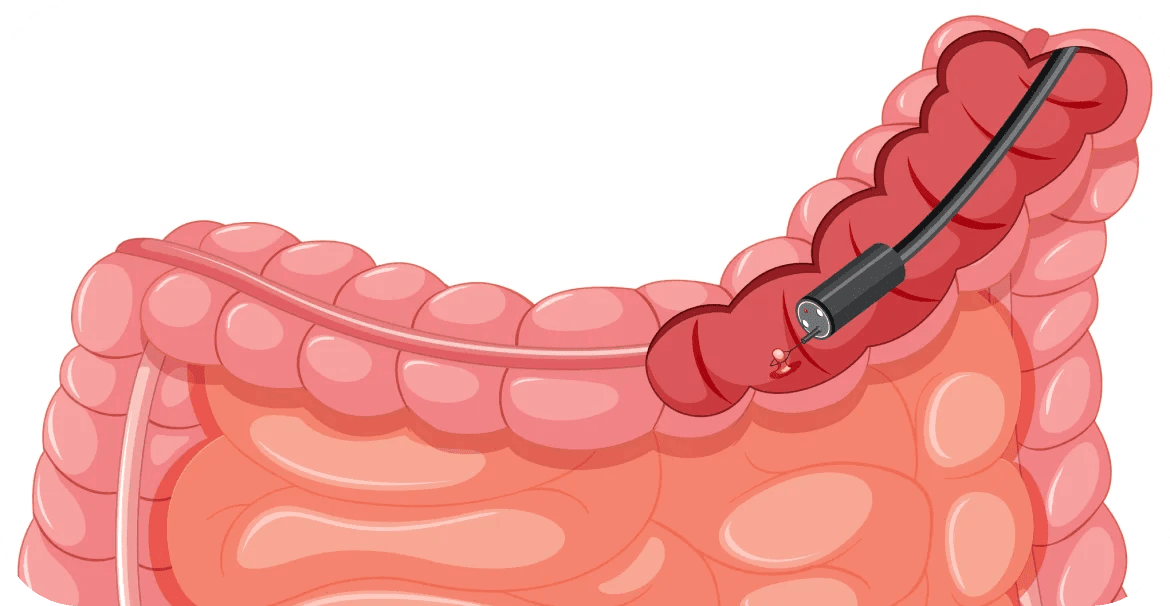
Colonoscopy: Visual examination of the bowel.
CT scans: Detailed imaging to identify tumours.
Biopsy: Collecting tissue samples for confirmation.
Staging Bowel Cancer
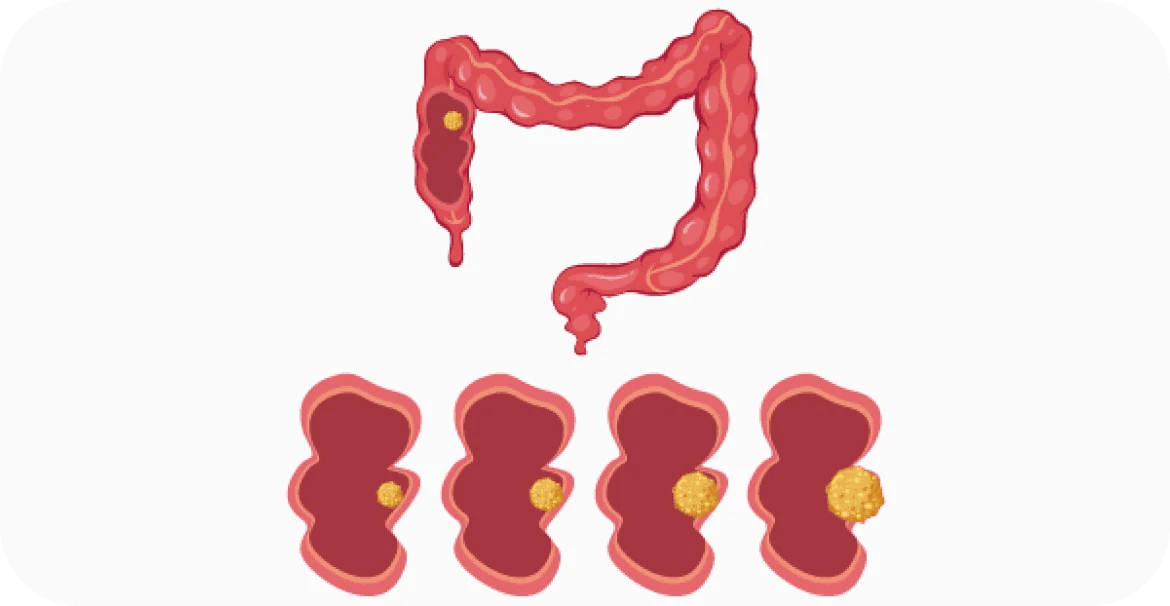
Stage 1: Cancer is confined to the inner lining of the bowel.
Stage 2: Cancer has spread to the outer layers of the bowel.
Stage 3: Nearby lymph nodes are affected.
Stage 4: Cancer has spread to other parts of the body (metastasis).
Chemotherapy: Using drugs to kill or shrink cancer cells.
Radiotherapy: Targeting cancer cells with radiation.
Targeted therapy: Medications that block specific cancer growth signals.
Supportive Care
Nutritional support for recovery and energy.
Pain management to improve comfort.
Psychological counselling for emotional well-being.
Lifestyle and Prevention Tips
Simple, everyday choices can help lower your risk and keep your gut healthy
Reducing Risk Factors
Maintain a balanced diet with fibre-rich foods such as fruits, vegetables, and whole grains.
Limit the consumption of red and processed meats.
Exercise regularly, aiming for at least 30 minutes of physical activity daily.
Avoid smoking and reduce alcohol intake.
Participate in regular bowel cancer screenings if you are over 50 years old.
Stay alert to symptoms and report them promptly to your healthcare provider for early detection.
Adopting a healthy lifestyle through a balanced diet, regular exercise, avoiding harmful habits, and staying vigilant with screenings and symptom monitoring can significantly reduce the risk of bowel cancer.
Comprehensive Care and Support in the UK
Why Choose Us?
Advanced diagnostic tools for accurate detection.
Multidisciplinary treatment approach tailored to individual needs.